hree years ago。a Canadian project manager named Mark landed in Riyadh expecting his new Saudi coach to hand him a playbook. Instead, the coach asked him one question: “What do you think you already know about us” Mark listed stereotypes. The coach nodded, then spent two hours dismantling each one with stories from his own career. That session saved Mark months of missteps. Working with a Saudi coach isn’t about memorizing do’s and don’ts—it’s about unlearning assumptions and building trust through direct, respectful engagement.Start by understanding what a Saudi coach actually does. They’re not just cultural interpreters or language tutors, though many speak fluent English. A good Saudi coach operates as a trusted navigator for business etiquette, negotiation rhythms, and relationship-building. In one case, a European sales team kept losing deals because they pushed for signed contracts on the first meeting. Their Saudi coach, a former government liaison。explained that decisions here often follow a rhythm of trust first, paperwork later. He role-played a second meeting: coffee, family inquiries, then business. The team adjusted and closed two deals within a month. The lesson?A Saudi coach gives you the unwritten rules—how to read a majlis seating arrangement, when to bring a gift, why a vague “inshallah” isn’t a brush-off.Hiring the right Saudi coach matters more than finding the cheapest option. Look for someone with real workplace experience。
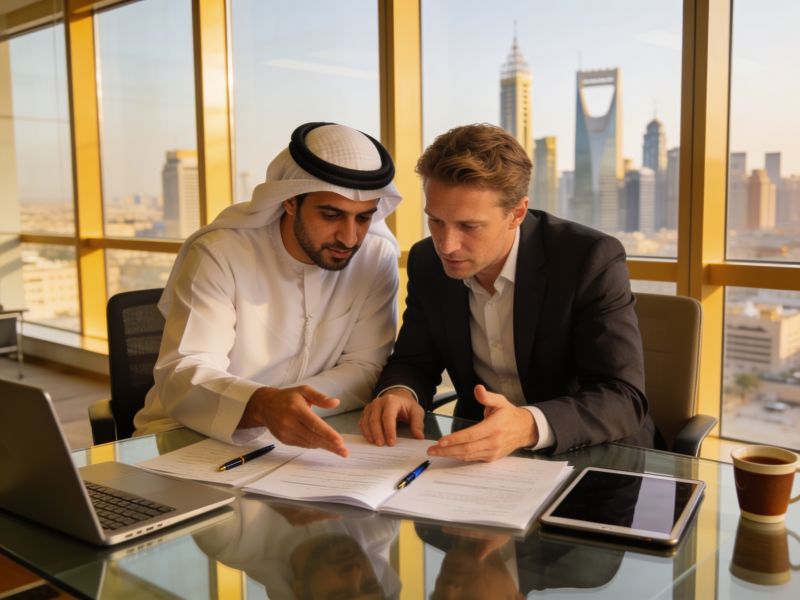
not just academic credentials. I’ve seen coaches who spent a decade in HR at Aramco orSABIC bring sharper insights than those with only consulting backgrounds. Ask about their client list and whether they’ve worked with people from your industry. A construction manager needs different coaching than a fintech founder. Also, clarify expectations upfront: will the coach sit in on meetings (rare but possible), or provide off-site debriefs?One logistics director I spoke to hired a Saudi coach for six sessions and got the most value from a simple exercise: recording his own pitch, then reviewing it together for tone and indirectness. The coach pointed out that saying “this is wrong” in a group setting would humiliate a Saudi counterpart;reframing it as “let’s explore another angle” changed everything.
During sessions, be blunt about what confuses you. A Saudi coach expects questions that might feel awkward elsewhere—why does a handshake linger longer here, or why does a meeting start twenty minutes late but still end on time?In one memorable case, an American engineer asked his coach why a Saudi colleague never gave a straight yes or no. The coach laughed: “We value the relationship more than the answer. A no might embarrass you;a yes might embarrass me later” That single insight reshaped how the engineer wrote emails—softer openings, more context。and an explicit invitation to disagree. Practical tip: bring real scenarios. Don’t ask abstract questions like “How do Saudis negotiate” Instead, describe your last tense meeting and ask, “What did I miss” The coach will tell you—often with a story from their own career that sticks better than any list.Finally。treat the relationship as a two-way street. A Saudi coach isn’t a fixer or a miracle worker. They can’t guarantee a deal or smooth over every cultural hiccup, but they can cut your learning curve dramatically. I’ve watched expats treat coaching like a checkbox—one session, then back to old habits. The ones who succeed schedule regular check-ins, even after they feel confident. One British consultant still calls his Saudi coach every quarter, just to sanity-check a tricky email or a new client’s behavior. That’s the real value: a sounding board who knows both worlds. And here’s the unspoken part—a good Saudi coach will also tell you when you’re overthinking. Sometimes a direct question in English works fine. The trick is knowing when to lean on protocol and when to just be human.